
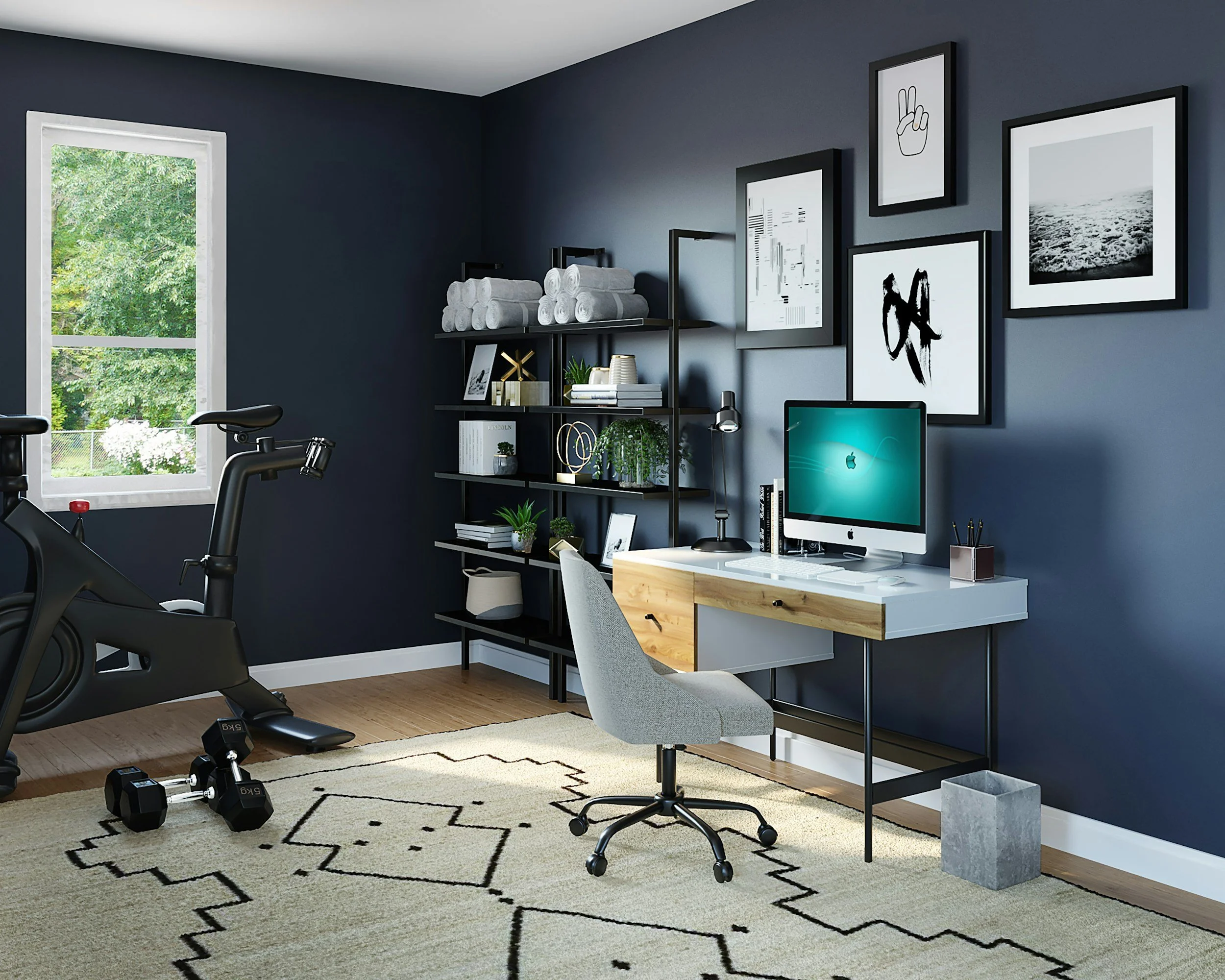
Home-based entrepreneurs often start with the kitchen table, a laptop, and sheer determination. That’s normal—and sometimes it’s even charming. But as soon as your business needs consistent focus (sales calls, client delivery, shipping, bookkeeping), “home” starts to leak into “work,” and your day turns into a constant tug-of-war. Creating a detached workspace is one of the most practical ways to stop relying on willpower and start relying on the environment.
Read this if you’re short on time
A detached workspace gives you a clean boundary: you enter to work, you leave to recover. That separation reduces interruptions, protects deep work, and makes it easier to finish the day without dragging your business into every room. Start small: pick the simplest form of separation you can maintain, set up the essentials, and run it for two weeks before upgrading anything.
What you gain (beyond productivity)
Here are the benefits that tend to show up first for home-based business owners:
Cleaner boundaries: fewer “half-working” evenings
Better client experience: more professional calls, fewer background surprises
More consistent execution: you show up to your own business like it’s real (because it is)
Reduced household tension: your family doesn’t have to guess when you’re available
Less context switching: fewer tiny interruptions that quietly drain momentum
Make it official enough to support growth
A detached workspace becomes dramatically more useful when your operations match the separation. That can be simple: separate banking, a weekly admin slot, basic bookkeeping, and a clean file system for receipts and agreements. Many entrepreneurs also explore forming an LLC because it can help formalize the business and, depending on your situation, may offer liability protection benefits. And if you want to avoid hefty lawyer fees, you can often file yourself through your state or use a formation service to streamline the process.
Organization is the silent productivity engine
A detached workspace is only as productive as it is organized, because clutter and inefficient layouts can quickly chip away at the focus and clarity that drove you to create a separate office space in the first place. If your printer is across the room, your daily tools are buried, and your shipping flow requires three separate trips, your brain will pay the “friction tax” all day. That’s why Let Your Space Bloom is a great resource, offering hands-on professional organizing, move preparation, unpacking, and rightsizing services that help home-based business owners set up their new workspace with smart storage systems, intentional layouts, and efficient flow from day one. The goal isn’t perfection—it’s making the right action the easy action.
The “minimum viable separation” checklist
Use this like a practical how-to. You’re aiming for functionality now, beauty later.
Define what happens there. Example: client calls, content production, shipping, admin.
Set one boundary rule. “No household tasks during work blocks” is a strong start.
Lock in basics: stable internet, solid lighting, and a chair you can tolerate for 2–3 hours.
Create a start ritual (5 minutes): open task list → pick top 1–3 outcomes → start timer.
Create a stop ritual (5 minutes): write tomorrow’s first task → clear desk → shut the door.
Keep the “business core” inside: chargers, notebook, shipping labels, contract folder—no scavenger hunts.
Run the system for 10 workdays before buying upgrades. If you don’t use the space, upgrades won’t fix it.
FAQ
Do I need a separate building for this to work?
No. “Detached” can be physical (shed, garage, rented room) or functional (a distinct zone with a door and clear rules). The key is consistent separation.
What if I can only work in short blocks?
That’s fine. A detached workspace helps short blocks feel “real,” so you waste less time ramping up.
Can I deduct any of this on taxes?
Possibly, but rules are specific. The IRS explains the home office deduction and the simplified method in Publication 587.
How do I keep the space from turning into storage?
Set a weekly 10-minute reset: clear surfaces, put supplies back, and remove anything that doesn’t support the work you do there.
One resource worth bookmarking
If you want a free, legitimate support system while you build your home-based business, check out SCORE. SCORE offers free mentoring and educational resources for small business owners, which is especially helpful when you’re making decisions about pricing, systems, and growth pacing. If you’re setting up a detached workspace, a mentor can also help you map the space to your business model—what work actually drives revenue, what can be batched, and what should be simplified. It’s an easy way to get feedback before you sink time or money into the wrong setup.
Conclusion
A detached workspace isn’t about being fancy—it’s about being consistent. When your environment reinforces focus, your business gets more of your best attention and less of your leftover energy. Start with the smallest separation you can maintain, run it for two weeks, then improve what you’ve proven you’ll use. That’s how you build a workspace (and a business) that can actually grow.
Transform your home into a sanctuary of order and elegance with Let Your Space Bloom. Discover expert organizing solutions that free up your time for what truly matters!